Owning land is quite thrilling. It seems like the start of something important. A location where memories will develop, walls will tell tales, and life will go on peacefully. But before the first brick is set or the foundation is built, you should know this: not every piece of land is ready for building.
A lot of people go directly to construction designs, but the actual success of any project begins underneath the surface. Your land’s condition might either help or hurt your future. That’s why it’s worth your time to figure out what your property is trying to tell you. It may save you time, money, and worry later on.
Let’s go over the indicators that you should pay attention to in simple words so that you may go ahead with confidence and clarity.
The Ground Tells a Story Before You Build
There is a past for every piece of land. Some plots have been stable for years, while others have problems that aren’t obvious until the worst possible moment. If you pay attention early, there will be fewer shocks later.
Everything goes more smoothly when the land is ready. Building goes more smoothly. Costs are kept in check. The results last longer. That’s the type of result that everyone would desire.
Uneven or Sloping Land That Feels Unpredictable
A little slope may be handled. Some houses are really quite well constructed on graded soil. But if the slope is uneven or too steep, it means that the ground has to be prepared before construction can start.
You might notice:
- Sudden dips or raised patches
- Soil that shifts underfoot
- Water flows unevenly across the surface
These signs point toward the need for grading and leveling. Without it, the structure may face settling issues over time. A stable base starts with balanced ground.
Water That Stays Longer Than It Should
After rainfall, the way water behaves on your land speaks volumes. Land that holds water instead of draining it properly creates long-term concerns.
Keep an eye out for:
- Puddles that stay for days
- Muddy areas that never fully dry
- Soft soil even in dry weather
Excess moisture weakens the soil. Over time, it can lead to cracks in foundations or shifting structures. Proper drainage planning ensures your land stays firm and reliable.
Soil That Feels Too Loose or Too Hard
Not all soil behaves the same. Some types expand, while others shrink. Some hold water, while others let it pass too quickly. This directly affects how well your foundation will hold.
Common warning signs include:
- Soil that crumbles easily when touched
- Extremely hard ground that resists digging
- Fine, powdery dirt that turns sticky when wet
Soil testing provides a clear picture of what lies beneath. It helps determine if the ground can support construction or if it needs treatment first. This step plays a key role in ground-up construction services and long-term durability.
Hidden Debris Beneath the Surface
Sometimes, land looks clean on the outside but hides unwanted materials underneath. Old construction debris, tree roots, or buried waste can interfere with building.
Watch for:
- Uneven digging resistance
- Unexpected objects during excavation
- Areas where grass grows unevenly
Clearing the land properly ensures a fresh start. It also prevents structural issues that could arise from unstable ground conditions.
Poor Access to Utilities
A beautiful piece of land can quickly become complicated if it lacks access to basic utilities. Water lines, sewer connections, and electricity are essential parts of any construction project.
Signs to consider:
- No nearby water connection points
- Limited or no sewer access
- Distance from main utility lines
Planning for sewer and water tapping early makes a huge difference. It helps avoid delays and ensures your project stays on track from day one.
Cracks or Movement in Nearby Structures
The surroundings often reveal more than the land itself. If nearby buildings show signs of stress, your land might share similar conditions.
Look around for:
- Cracks in nearby walls or foundations
- Uneven sidewalks or driveways
- Tilting fences or structures
These signs suggest shifting soil or unstable ground in the area. Understanding this early allows for proper planning and reinforcement.
Vegetation That Struggles or Overgrows
Plants respond to soil conditions better than anything else. Their growth patterns can give you clear clues about the health of your land.
Notice if:
- Grass grows unevenly or sparsely
- Certain areas stay bare
- Weeds grow aggressively in patches
Poor growth can signal weak soil, while aggressive growth may indicate an imbalance. Either way, it’s worth evaluating before moving forward.
Land That Hasn’t Been Properly Cleared
Before construction begins, the land needs to be cleared of obstacles. Trees, roots, rocks, and debris can interfere with building work.
Signs of incomplete clearing include:
- Large tree stumps left behind
- Thick root systems underground
- Surface rocks are scattered across the land
Land clearing creates a clean and workable space. It also ensures that future construction doesn’t face avoidable delays.
Permits and Planning That Feel Uncertain
Even if the land looks perfect physically, legal and planning aspects matter just as much. Without proper permits and planning, construction can face unexpected stops.
Pay attention to:
- Missing or unclear building permits
- Zoning restrictions
- Lack of proper site analysis
Planning ahead ensures everything moves forward smoothly. It also protects your investment and keeps your project aligned with local requirements.
Why These Signs Matter More Than You Think
Each of these signs connects directly to the strength and safety of your future structure. Ignoring them may not show immediate effects, but over time, small issues grow into larger concerns.
On the other hand, addressing them early brings clear benefits:
- Stronger foundation support
- Better long-term durability
- Fewer repair costs later
- Smoother construction process
That’s the real value. It’s not just about building a structure. It’s about building something that lasts.
How Proper Site Preparation Changes Everything
When land is carefully prepared, everything falls into place more naturally. Site preparation includes steps like:
- Soil testing to understand ground behavior
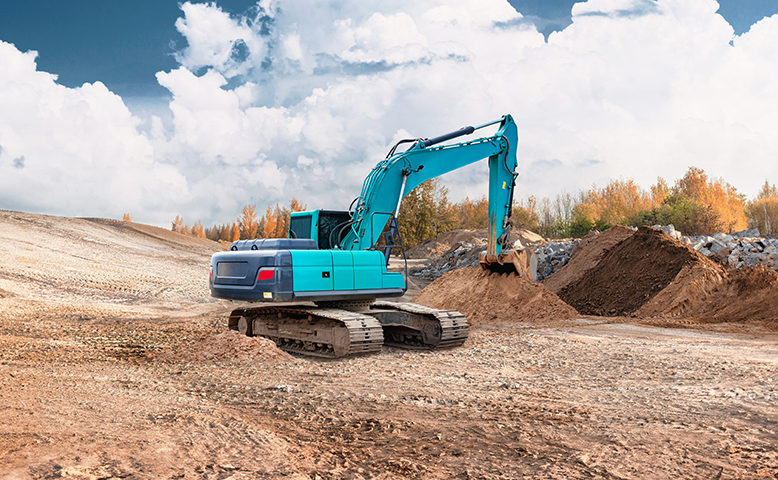
- Excavation to remove unwanted material
- Grading to create a level surface
- Drainage planning to manage water flow
- Utility planning for smooth connections
These steps turn raw land into a reliable base for construction. They remove uncertainty and replace it with clarity.
Ground-up construction services depend heavily on this stage. It sets the tone for everything that follows.
A More Confident Way to Move Forward
Knowing that your land is ready gives you peace of mind. It gets rid of second doubts and lets you concentrate on the fun elements of construction. When the ground under your feet is firm, every step feels safer.
You have more influence over your property if you take the time to learn about it before you start building. It puts you in a position where you can make judgments based on facts instead of speculations.
Final Thoughts That Truly Matter
Building on land isn’t simply about what you can see on the surface. It’s about what’s below and how effectively it helps you carry out your ideas. If you pay attention to these indicators, you may avoid problems and go ahead with clarity. Everything else is easy when the land is ready in the appropriate manner. The structure is stronger. The procedure seems to go more smoothly. The effects last longer.
If you’re going to build anything in Ohio, it’s important to work with a team that knows how to prepare the site, how the soil behaves, and how to plan. Civitello Construction Services focuses on every detail that matters before construction begins, ensuring your land is truly ready for what comes next.